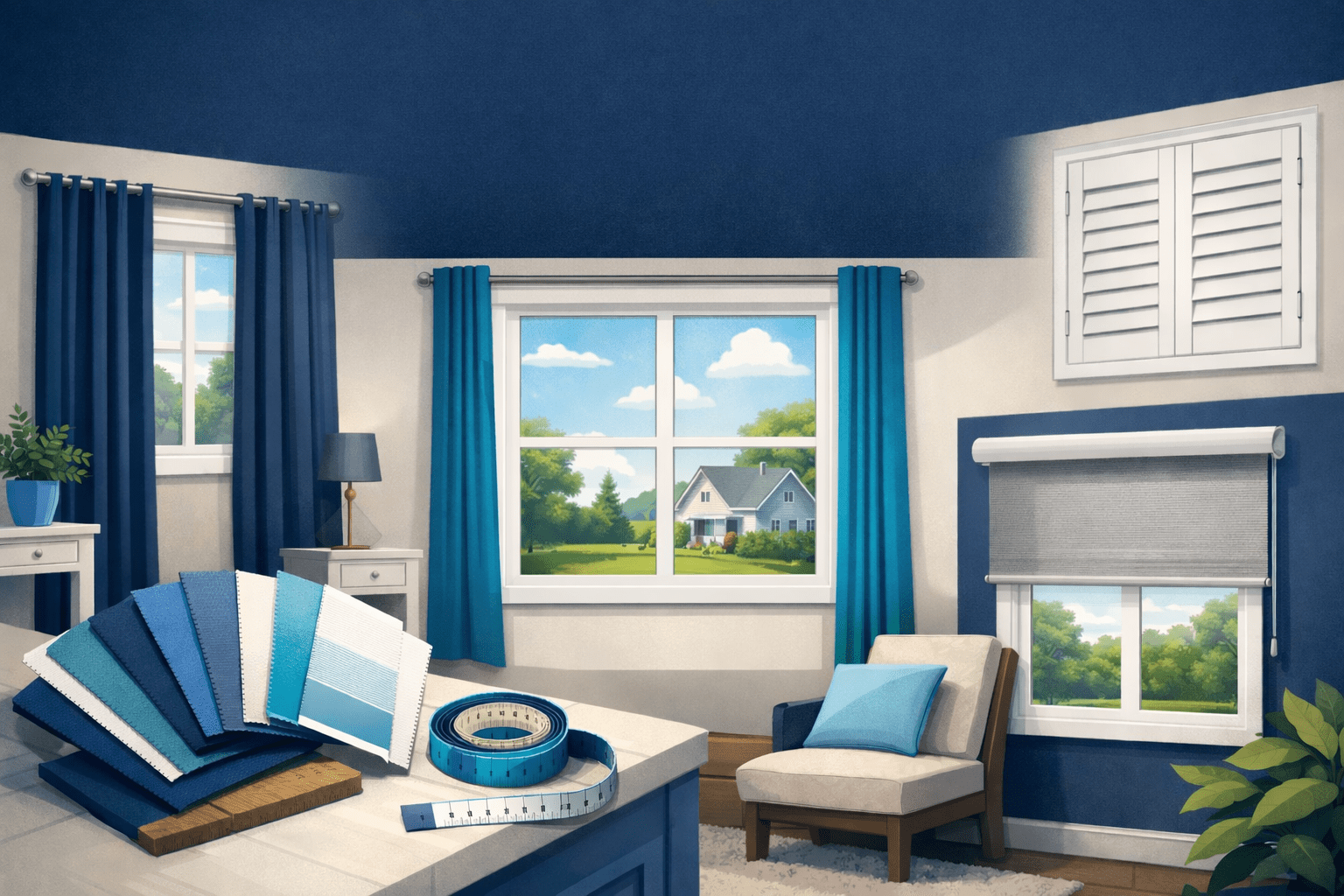
The truth is that window treatments do much more than just decorate a room. They influence how hot or cold your home feels, how much privacy you have, how long your furniture lasts, and even how much you pay in energy bills. The correct window treatments, particularly in warm and coastal settings, can significantly increase daily comfort.
This guide is intended for homeowners who want clear, simple, and practical guidance—no design jargon, assumptions, or pressure. By the end, you’ll have the knowledge to select window treatments that are actually appropriate for your house and lifestyle.
1. What Window Treatments Actually Do (Beyond Looks)
Many people believe that window treatments are just decorative, something you add at the end of a project. In reality, they perform multiple important functions at the same time.
At their core, window treatments help with:
- Light control – deciding how much sunlight enters your home
- Privacy – protecting your interior from outside view
- Temperature control – reducing heat entering through windows
- Protection – preventing sun damage to furniture, floors, and décor
- Comfort – reducing glare, harsh brightness, and uneven temperatures
These functions are especially significant in warm or coastal regions, where sunlight and humidity are constant factors.
2. Why Your Home’s Environment Matters So Much
Before deciding on a style, color, or material, consider what your home is exposed to on a daily basis.
Sunlight Exposure
Sunlight is wonderful, but too much of it can cause real problems inside a home.
Unprotected windows can:
- Create an uncomfortable glare on TVs and computer screens.
- Heat rooms quickly, especially in the afternoon
- Fade furniture, rugs, artwork, and flooring over time.
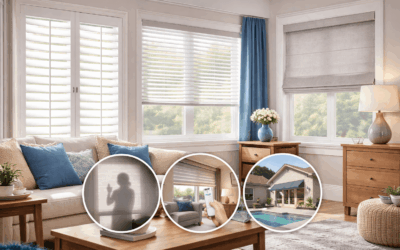
Window treatments assist to filter and moderate sunlight, rather than forcing you to pick between brightness and comfort.
Heat and Energy Costs
Windows are a major source of heat entering a home. Without adequate coverings, your air conditioner has to work harder to keep the rooms cool.
The right window treatments can:
- Reduce heat entering through glass
- Keep indoor temperatures more consistent
- Help lower monthly energy bills
This is especially noticeable in rooms with large windows or sliding glass doors.
Humidity and Moisture
Most homeowners are unaware that humidity has a greater impact on window treatments. Moisture can eventually lead to:
- Warping or cracking
- Peeling finishes
- Mold or mildew on fabric
This is why material selection is so important, particularly in kitchens, baths, laundry rooms, and coastal homes.
3. Start With How Each Room Is Actually Used
A common error made by homeowners is to install the same window treatment throughout their property. Different rooms have different requirements.
Living Rooms and Main Spaces
Living rooms are frequently the most used areas in a home. They typically feature larger windows and benefit from natural light, but they also face the most glare and heat.
Good window treatments for living rooms should:
- Reduce glare without making the room dark.
- Maintain privacy when needed.
- Still allows light during the day.
Solar shades, light-filtering shades, and plantation shutters are effective because they provide for flexibility throughout the day.
Bedrooms
Bedrooms need a different approach. Comfort and privacy are the top priorities here.
Bedroom window treatments should:
- Block light when sleeping.
- Provide privacy day and night.
- Help regulate temperature
Blackout shades, layered shades with drapery, and shutters with adjustable louvers are popular options since they provide complete control.
Kitchens
Kitchens are high-activity spaces with heat, moisture, and frequent cleaning.
Ideal kitchen window treatments:
- Are easy to wipe clean
- Handle humidity without warping
- Don’t collect dust or grease easily
Faux wood blinds and roller shades are practical choices here.
Bathrooms and Utility Rooms
Privacy is essential in these spaces, but so is moisture resistance.
The best options are materials that:
- Don’t absorb moisture
- Are easy to maintain
- Hold their shape over time
Vinyl blinds, moisture-resistant shutters, and certain shades work well.
4. Understanding the Main Types of Window Treatments
If you’re new to window treatments, just the terminology might be confusing. Here is a simple breakdown.
Plantation Shutters
Plantation shutters are solid panels with movable slats (known as louvers) fixed directly to the window frame.
Why homeowners love them:
- Extremely durable
- Easy to clean
- Excellent for light and privacy control
- Add long-term value to a home.
When manufactured from composite or imitation wood, they are particularly well-suited to warm and humid areas.
Blinds
Blinds are made of individual slats that tilt open and closed.
Benefits:
- Affordable
- Flexible light control
- Available in many materials
Faux wood blinds are favored over real wood in humid settings because they do not warp.
Shades
Shades are constructed from one continuous piece of fabric that rolls or folds up and down.
Common types include:
- Roller shades
- Solar shades
- Cellular (honeycomb) shades
Shades offer a clean, modern look and are easy to operate.
Vertical Window Treatments
Verticals are often used for:
- Sliding glass doors
- Large patio openings
They’re practical, simple to use, and ideal for managing light across large areas.
Drapery
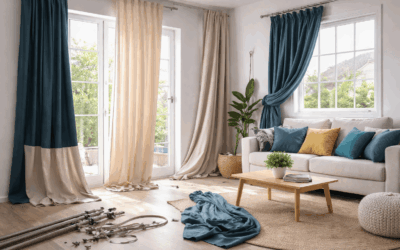
Drapery provides softness and design intrigue. It is frequently used in combination with shades or blinds, rather than on its own.
5. Motorized Window Treatments Explained Simply
Motorized window treatments may sound like a luxury, but they’re also practical.
They’re especially useful for:
- Large or tall windows
- Hard-to-reach areas
- Homes with children or pets
Motorized choices eliminate cables and allow you to control window treatments via a remote, wall switch, or smartphone.
6. Energy Efficiency: Why It Matters Long-Term
Window treatments serve as a barrier between your home and the outside world.
Over time, energy-efficient window treatments can:
- Reduce cooling costs
- Improve comfort
- Help HVAC systems last longer.
Cellular shades and shutters are particularly efficient because they produce insulating air pockets at the window.
7. Safety Considerations for Families and Pets
Traditional cords can pose risks, especially for:
- Young children
- Pets
Cordless and motorized solutions increase safety while also providing a cleaner appearance.
8. Measuring and Installation: Why Accuracy Matters
If it doesn’t fit properly, even the best window treatment won’t work well.
Improper measurements can cause:
- Light gaps
- Poor operation
- Shortened lifespan
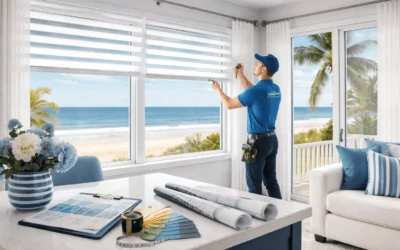
Professional measuring ensures that your window treatments fit properly and operate smoothly.
9. Why Choosing a Local Window Treatment Company Helps
Local businesses understand area conditions better than large-scale retailers.
A local expert can:
- Recommend materials suited for heat and humidity
- Understand common home layouts in the area
- Provide support after installation
Beach Blinds specializes in providing solutions for warm, coastal, and high-humidity regions, assisting homeowners in selecting long-lasting window treatments.
10. Common Mistakes Homeowners Make
Some common mistakes include:
- Choosing based on looks alone
- Using the same treatment in every room
- Ignoring moisture and sunlight exposure
- Underestimating the importance of professional measuring
Avoiding these mistakes saves money and frustration in the long run.
Final Thoughts
Choosing the correct window treatments does not necessitate extensive knowledge; rather, it demands an understanding of how your home works and what your family requires.
When you combine sunlight, heat, privacy, room usage, and materials, the best options become more and more obvious. Window treatments are more than simply decorative accents; they are functional upgrades that increase comfort, protect your home, and make daily life better.
With proper guidance and careful selection, your window treatments can function silently in the background, making your house more comfortable, efficient, and pleasurable for years to come.
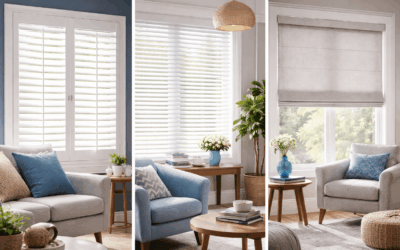
Plantation Shutters vs. Blinds vs. Shades: What’s Best for Your Home?: Provides detailed comparisons to aid in decision-making.